
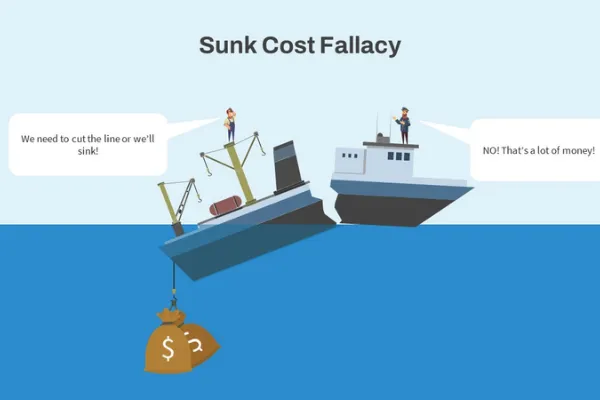
The Sunk Cost Fallacy: Knowing When to Let Go
Have you ever continued investing time, money, or effort into something simply because you've already invested so much? Whether it's a struggling business venture, an underperforming employee, or a marketing campaign that isn't delivering results, many business owners fall into the same trap: the sunk cost fallacy.
What Is the Sunk Cost Fallacy?
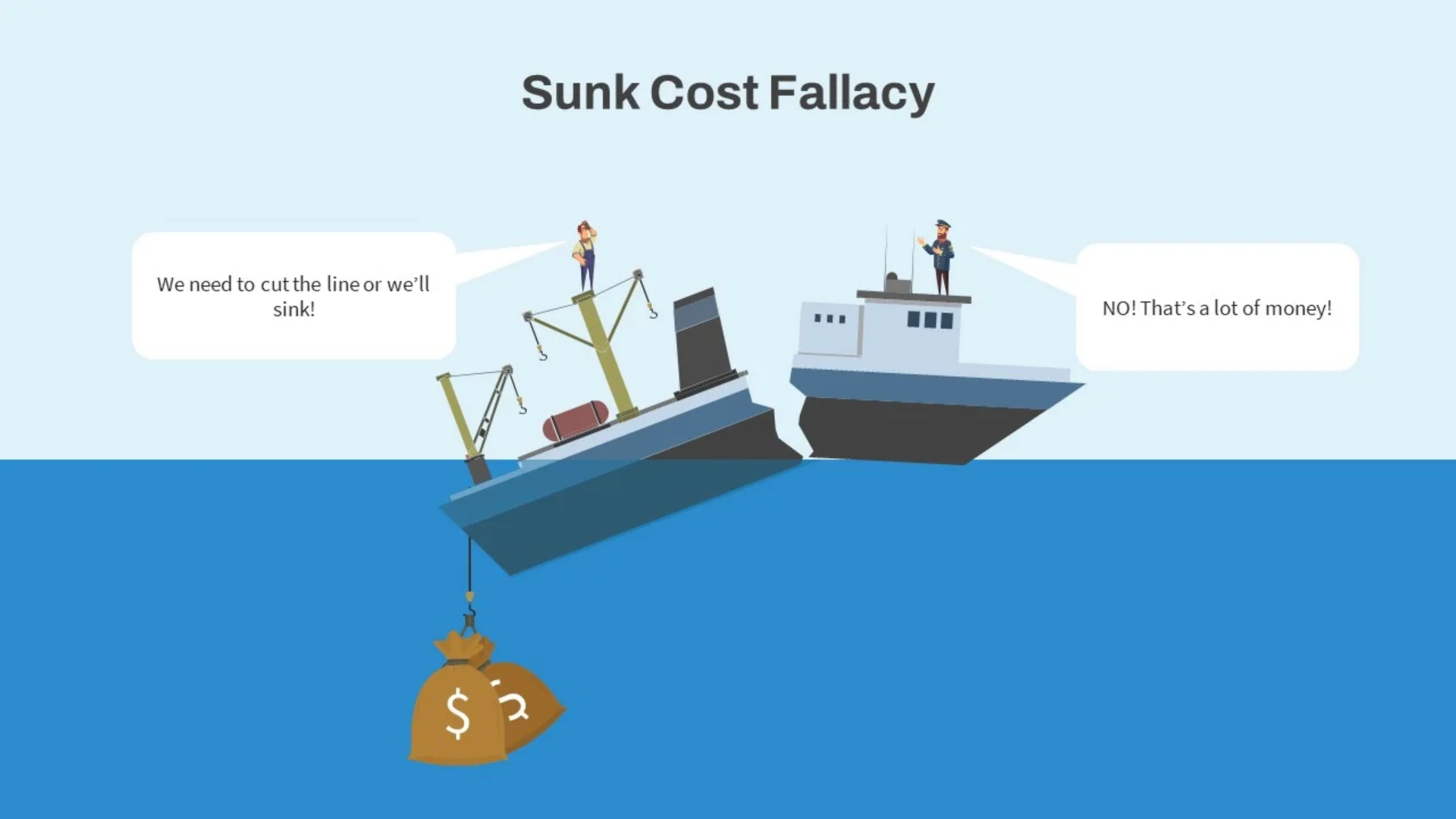
The sunk cost fallacy is a cognitive bias in which people continue with a decision because of resources they have already invested, even when new evidence suggests the decision is no longer the best option.
In business, a sunk cost refers to money, time, or effort already spent and not recoverable. Sound decision-making requires leaders to focus on future costs and future benefits. However, the sunk cost fallacy leads people to look backward, letting past investments influence present decisions.
The thinking often sounds like this:
"We've already spent too much money to stop now."
"We've come this far, so we need to keep going."
"If we walk away, all that effort will be wasted."
Unfortunately, those thoughts can lead businesses to pour even more resources into projects that are unlikely to succeed.
A Business Example
Imagine a company that spends $500,000 developing a new software product. After two years of development, market research reveals that customer demand is much lower than expected and competitors have already captured most of the market.
At this point, the business faces a choice:
Continue investing additional money in the hope that sales improve, or stop the project and redirect resources to more profitable opportunities.
A leader influenced by the sunk cost fallacy may continue funding the project because of the substantial investment already made. Their focus remains on recovering the $500,000 already spent.
A strategic leader asks a different question: "If we had not invested a dollar in this project yet, would we start it today knowing what we know now?"
If the answer is no, it may be time to walk away.
Practical Tips to Avoid the Sunk Cost Trap
1. Focus on future returns, not past investments.
When making decisions, ask what the likely return will be from today onward. You can't recover the money, time, and effort already spent.
2. Establish clear decision points.
Before starting a project, set measurable milestones and review dates. Decide in advance what success looks like and when you will reassess.
3. Invite objective opinions.
Seek input from trusted advisors, team members, or mentors who are not emotionally attached to the project. Fresh eyes often see what committed leaders miss.
4. Ask, "Would I invest again today?"
This simple question helps separate emotion from logic and encourages evidence-based decisions.
5. Celebrate smart exits.
Stopping a project is not always a failure. Sometimes it is the wisest use of resources and creates space for better opportunities.
The Leadership Lesson
Successful business owners understand that persistence and stubbornness are not the same thing. Great leaders know when to stay the course and when to change direction.
The goal is not to justify yesterday's investment. The goal is to make the best decision for tomorrow.
Sometimes the most profitable move in business is not pushing harder. It's having the courage to let go and invest your energy where it can create the greatest return.